
In Story, Robert McKee writes that 75 percent of a writer's efforts are spent on constructing the plot. However, because it isn't in keeping with the purpose of the book, he never mentions the importance of that remaining 25 percent: the execution. The writing itself. The truth is that all reader (including agents and editors) will notice the writing before the story. And if it's not up to par, they'll put it down before even getting into the plot.
Sound is one of the most important aspects of the "execution" to pay attention to because it can be incredibly noticeable if done poorly. As in, it sticks out like a sore thumb (cliché alert!) and pulls the reader out of the story - which is never a good thing. But if sound is done well, it's invisible - which is exactly what you want.
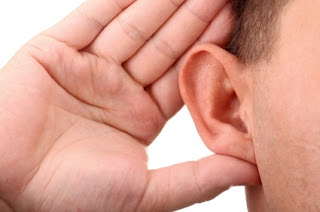
In this context, sound is synonymous with rhythm, or even lilt. It's the flow of a sentence or paragraph, the way the writing sounds within the reader's mind. In The First Five Pages, Noah Lukeman writes that sound "is one of the distinctions between writing general and writing as an art form," because "prose can be technically correct but rhythmically unpleasant." To strengthen your sound, take a look at:
Poor sentence construction. In this blog post, as a part of her series on grammar, Beth Revis gives a few examples of how independent clauses and dependent clauses fit together in a number of different ways (as long as you use the correct rules). However, many people pointed out that, although technically correct, the sentences sounded wrong, like run-ons.
Echoes. Echoes occur most frequently when a character's name is repeated too often (Bill gave the map to Joe and Joe thanked Bill), when he/she is repeated to often, or when an usual word or phrase is repeated too often. In the case of unusual words, these can be as far apart as one every twenty pages, but still call attention to themselves. In On Writing, Stephen King tells of a novel he once read that constantly repeated the word zestful, and it annoyed him so much that he's never used that word in his own writing. Not once.
Alliteration and rhyme. In prose, avoid these two things like the plague, unless you have a very good reason not to. Alliteration and rhyme draw attention to themselves like nothing on Earth and pull the reader straight out of the story.
Resonance. This aspect of sound is subtle, and can be difficult to get right. It is the overall sound of sentences in contrast with each other. The resonance of a short sentence will be different when contrasted with long sentences, rather than other short sentences - and vice versa. Sentences starting with an independent clause will resonate differently to dependent clause starters, infinitive starters, participle starters, etc. It's your job to choose the write ones and then fit them together in a way that strengthens the overall sound of the paragraph, page, and book.
And that's it. If you can sort out these things, then your sound will be strong enough that the reader doesn't notice it. Instead, they'll be focussed right where you want them: on the story.
Sound is one of the most important aspects of the "execution" to pay attention to because it can be incredibly noticeable if done poorly. As in, it sticks out like a sore thumb (cliché alert!) and pulls the reader out of the story - which is never a good thing. But if sound is done well, it's invisible - which is exactly what you want.

In this context, sound is synonymous with rhythm, or even lilt. It's the flow of a sentence or paragraph, the way the writing sounds within the reader's mind. In The First Five Pages, Noah Lukeman writes that sound "is one of the distinctions between writing general and writing as an art form," because "prose can be technically correct but rhythmically unpleasant." To strengthen your sound, take a look at:
Poor sentence construction. In this blog post, as a part of her series on grammar, Beth Revis gives a few examples of how independent clauses and dependent clauses fit together in a number of different ways (as long as you use the correct rules). However, many people pointed out that, although technically correct, the sentences sounded wrong, like run-ons.
Echoes. Echoes occur most frequently when a character's name is repeated too often (Bill gave the map to Joe and Joe thanked Bill), when he/she is repeated to often, or when an usual word or phrase is repeated too often. In the case of unusual words, these can be as far apart as one every twenty pages, but still call attention to themselves. In On Writing, Stephen King tells of a novel he once read that constantly repeated the word zestful, and it annoyed him so much that he's never used that word in his own writing. Not once.
Alliteration and rhyme. In prose, avoid these two things like the plague, unless you have a very good reason not to. Alliteration and rhyme draw attention to themselves like nothing on Earth and pull the reader straight out of the story.
Resonance. This aspect of sound is subtle, and can be difficult to get right. It is the overall sound of sentences in contrast with each other. The resonance of a short sentence will be different when contrasted with long sentences, rather than other short sentences - and vice versa. Sentences starting with an independent clause will resonate differently to dependent clause starters, infinitive starters, participle starters, etc. It's your job to choose the write ones and then fit them together in a way that strengthens the overall sound of the paragraph, page, and book.
And that's it. If you can sort out these things, then your sound will be strong enough that the reader doesn't notice it. Instead, they'll be focussed right where you want them: on the story.


